
If you’re weighing a 3 season room vs 4 season room for your home, the decision comes down to three things: how many months you want to use the space, how much you’re prepared to invest, and whether your climate demands year round comfort or just seasonal enjoyment. A three season room gives you a bright, airy retreat during the warmer months at a lower price point, while a four season room functions as a permanent living space you can use every day of the year – through unpredictable weather, cold winter months, and warm summer days alike.
This guide breaks down the construction differences, costs, materials, and long-term value of each option so you can make a confident choice that fits your family’s lifestyle and budget.
Built with high-quality materials for durability and long-term performance
Every sunroom is tailored to match your home’s architecture and your personal style
We ensure your new sunroom feels like a natural extension of your home
From consultation to completion, we handle everything

 Posted on Google
 Ryan Maris
Trustindex verifies that the original source of the review is Google.
Needed help with customer service and the team went above and beyond. Would recommend to anyone! Thank you guys!Posted on Google Carrie SOrdered parts for our lanai 4 stack windows after hurricane Milton in Sarasota. Received them within 5 days, Shipped the same day. Excellent customer service and product was exactly what was advertised. 🤩Posted on Google
 carolyn marshallVery professional when they arrive on sight . Willing to listen to what your end goal is and willing to answer any questions you may have. We look forward to the installation of the 3 season porch soon.Posted on Google
 Eric LibkeFast service, great team. Great design.Posted on Google
 RLS SchmittSimply the best and most thorough company around. Careful and detailed. Had them put on a sunroom, replace windows and modify a deck. Pleased each time!
Licensed, bonded, and insured with over 20 years of sunroom addition and room addition experience
Average project completion within published timelines – 3 season rooms in 2–4 weeks, 4 season rooms in 6–12 weeks
Comprehensive warranty coverage on materials, glazing, and workmanship
Deep familiarity with local building codes, permit requirements, and climate-specific engineering across our service area
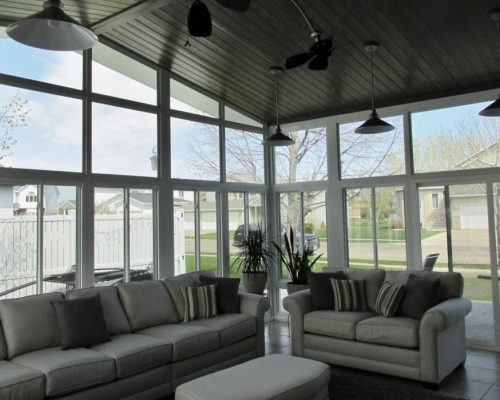
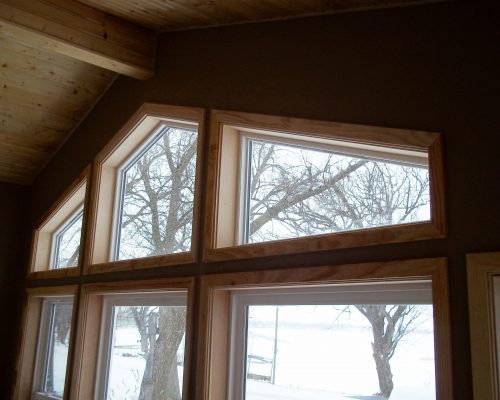
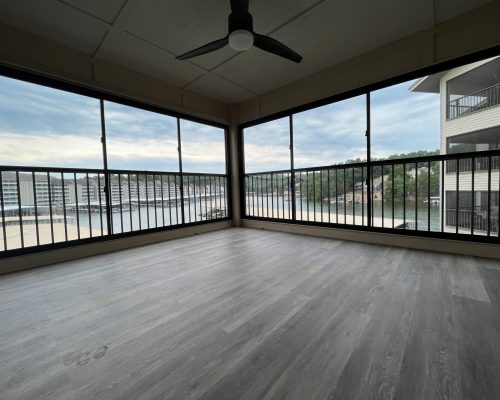
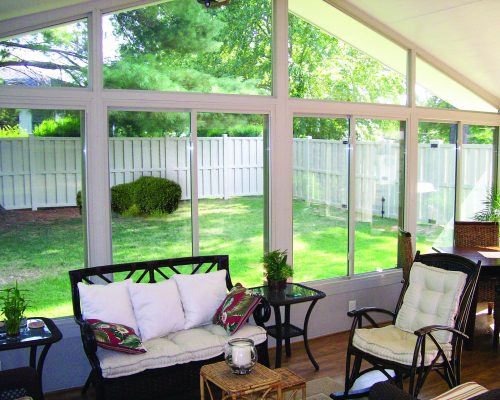
Every room we build starts with your home’s architecture and your local climate – not a catalog. Our construction team custom-engineers each project to maximize natural light while managing heat transfer, energy efficiency, and structural integration with your existing home.
Climate-matched engineering: We select glazing, insulation, and framing systems based on your region’s temperature extremes, so your new space performs where it matters – not just on paper.
Seamless architectural integration: Our designs match your home’s roofline, siding, and trim so the addition looks like it was always part of the house, whether it’s a three season sunroom or a full four season room addition.
Premium material selection: From thermally engineered extruded aluminum framing to dual insulated glass panes, we use components that deliver year round usability and long-term durability – even the framing materials are selected for thermal performance.
A three season room is an enclosed addition designed for use in spring, summer, and fall. Three season rooms typically use single pane glass and lightweight aluminum or vinyl framing, keeping construction costs down while creating a bright outdoor living experience shielded from insects and rain.
Three-season rooms provide protection from insects and rain during warmer months, making them ideal for casual dining, reading, entertaining, and seasonal relaxation. A three season room is usable only in spring, summer, and fall – once temperatures drop significantly, the lack of insulation and climate control makes the space uncomfortable. Three-season rooms are often separated from the main house by an exterior door, reinforcing their role as a transitional space between indoor and outdoor living.
Ventilation is a strength: large windows and operable screened panels let breezes flow through, reducing the need for air conditioning during pleasant weather. Many homeowners convert an existing porch or screened porch into a three season room addition for relatively modest investment.
A four season room is designed for year-round use – a true extension of your home that functions as a permanent living space through every season. Four season rooms are built to the same standards as the main house, with full insulation in four walls, ceiling, and floor, plus high-performance glazing and integrated climate control systems.
Four season rooms use dual insulated glass panes for better insulation, and many incorporate Low-E coatings and argon gas fills to minimize heat loss in winter and reduce solar heat gain in summer. A four season room requires HVAC systems for climate control – either tied into the home’s existing system or via a dedicated HVAC system such as ductless mini split systems.
This versatile space works as a home office, guest room, dining room, plant conservatory, or additional living space that you’ll use every day. Four-season rooms provide comfort in extreme weather conditions, maintaining comfortable temperatures whether it’s 10°F outside or 95°F.
The gap between a 3 season and 4 season build is most visible in the materials and engineering:
Framing: Three season rooms rely on lighter framing materials – standard aluminum or vinyl profiles with minimal thermal resistance. Four season rooms require thermally engineered framing materials with thermal breaks that prevent heat transfer through the frame itself, keeping energy costs manageable.
Glazing: Three season rooms typically use single-pane glass, which is affordable but offers almost no insulation. Four season rooms use dual insulated glass panes for climate control, and in colder regions, triple pane windows with Low-E coatings and inert gas fills bring U-values down to the 0.20–0.30 range for superior thermal performance. Insulated doors complete the building envelope.
Insulation and Foundation: Three season rooms often lack insulation and are not suitable for winter use. A four season sunroom addition demands enhanced insulation in walls (R-20 or higher), roof/ceiling assemblies, and floor – plus a foundation that extends below the frost line in cold climates. Vapor barriers and thorough air sealing are critical to prevent condensation and heat loss.
Electrical and HVAC: Three season rooms may include basic electrical for lighting and ceiling fans. Four season rooms require full electrical service, HVAC installation (integrating heating and cooling), and sometimes separate heating circuits or dedicated systems to maintain year round comfort without overburdening the home’s existing system.
We serve homeowners across our region with deep knowledge of local building codes, climate patterns, and permit requirements. Our team understands the specific challenges of building in areas with cold winter months, humid summers, and unpredictable weather – and we engineer every season room addition accordingly.
Not exactly. A screened porch primarily uses mesh screens and remains open to outdoor temperatures and weather. A 3-season room usually includes closable windows or vinyl panels that provide additional protection from rain, wind, and cool temperatures.
You may be able to use it during mild winter days with sunlight or supplemental heat, but it is not normally designed for consistent winter comfort. A 4-season room is the better option for dependable year-round use.
A true 4-season room needs an appropriate way to control its temperature throughout the year. The solution may involve extending an existing system or installing a separate heating and cooling unit, depending on the home and room design.
It may be treated more like a conventional living space because it is insulated and climate-controlled. However, property assessment, permitting, and square-footage rules vary by location. Homeowners should confirm local requirements before beginning construction.
In most cases, yes. Three-season rooms typically require less insulation and simpler window and climate-control systems. Final pricing depends on size, site conditions, finishes, and other custom features.
In many cases, an existing deck can be enclosed or incorporated into a new sunroom project. Its foundation and framing must first be inspected to determine whether they can support the proposed room.
A 3-season room with movable vinyl panels or large screened openings generally provides the greatest open-air feeling. Four-season rooms can also offer ventilation through operable windows while providing better year-round temperature control.
Consider when you want to use the room, how it will function, your desired comfort level, and your project budget. A professional consultation can help determine which structure is most appropriate for your home.
You don’t have to navigate the 3 season vs 4 season decision alone. Whether you’re envisioning a sun-drenched three-season sunroom for weekend entertaining or a fully conditioned four-season room that serves as your home office, guest room, or year-round living space, we’ll help you find the right fit for your home, your climate, and your budget.
Schedule your free in-home consultation today. We’ll walk through your options, provide a detailed estimate, and help you start your home renovation journey with confidence.
There’s never been a better time to upgrade your home with a custom 3 Season Room or All Season Room. Let Screenbuilders create a versatile, comfortable space you’ll enjoy year after year.
